
Nov 17, 2025
Case Study: Best Practices in Consumer Education and Support for Energy Efficiency Businesses and Organizations
This case study explores how consumer education and support drive sustainable business growth.
Consumer education and support are essential pillars of energy efficiency especially in a landscape shaped by complex building science terminology, rising energy costs, and aging housing stock with compromised indoor systems. It is vital that consumers understand the interconnected processes within their homes and how these systems collectively influence energy use, occupant health, and overall comfort.
However, providing effective education and support is not without cost. For businesses and organizations, these efforts require time, resources, and strategic planning and they can ultimately determine the success or failure of energy efficiency initiatives. Striking the right balance means developing consumer engagement strategies that are both cost-effective and comprehensive. When done well, these efforts yield informed consumers, improved outcomes, and a meaningful return on investment.
This case study, developed by the Building Performance Association (BPA), explores how consumer education and support drive sustainable business growth. BPA collaborated with businesses and organizations across Alabama, Arizona, Colorado, Florida, Massachusetts, Maryland, North Carolina, and Pennsylvania to identify challenges, strategic solutions, and best practices in the residential energy efficiency sector.
The study highlights two models: Home Energy Medics, a business based in northern Virginia, and West Anniston Foundation, a nonprofit organization in northeastern Alabama. Though they differ in structure and service delivery, both exemplify impactful, measurable approaches to consumer education grounded in building science and committed to a whole-home perspective. Their work underscores the importance of equipping consumers with the knowledge and support needed to make informed decisions about energy efficiency.
Home Energy Medics
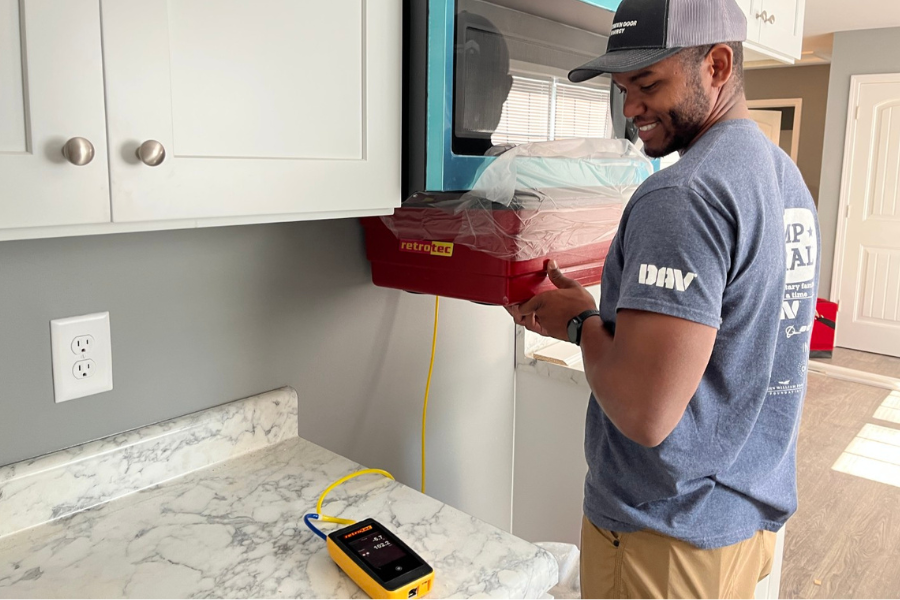
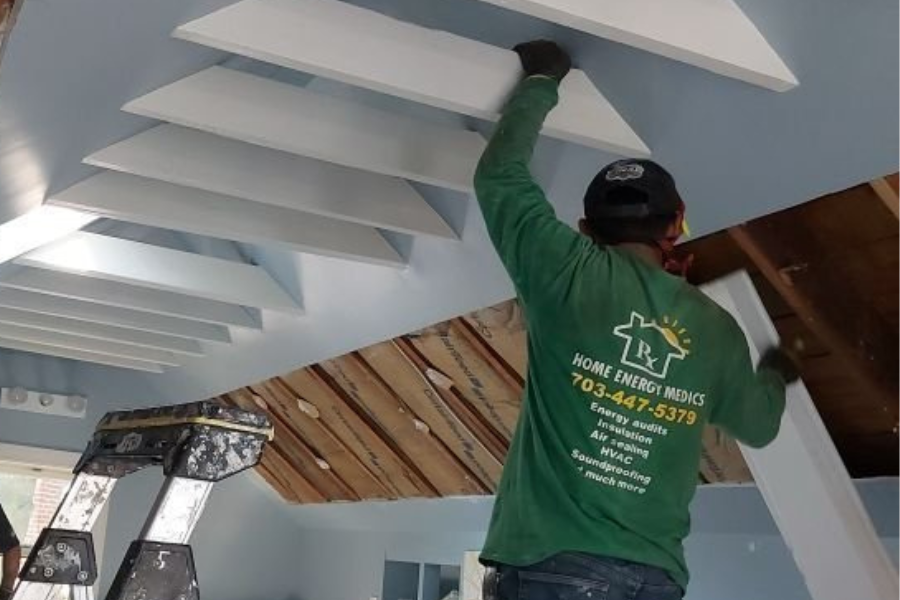
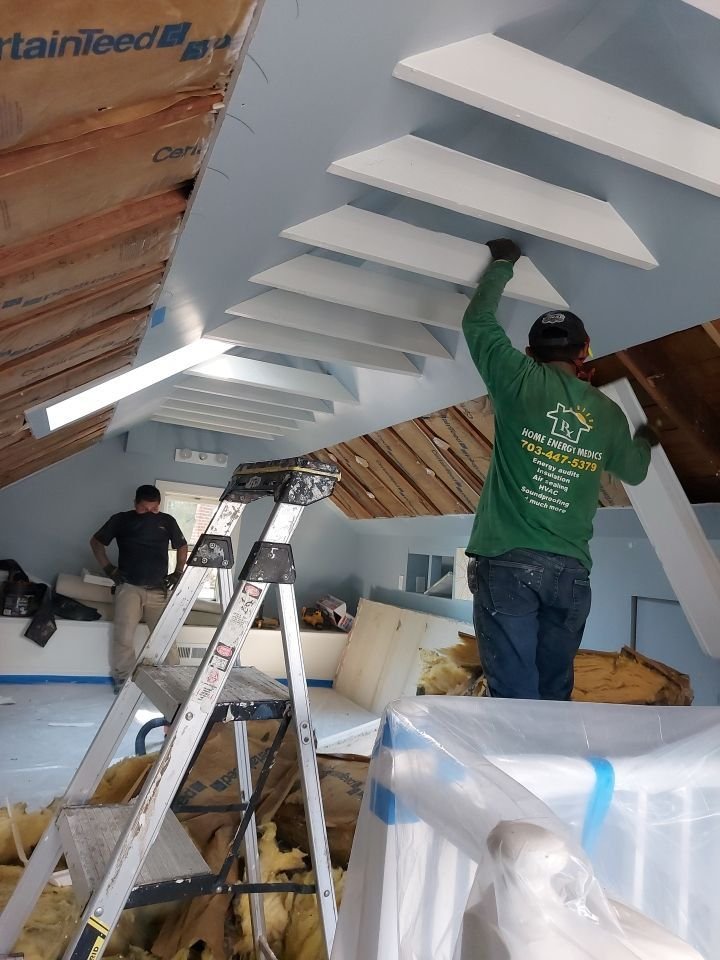
Home Energy Medics is a boutique home performance company based in Arlington, Virginia, with 17 years of experience and a dedicated team of 12. Serving Northern Virginia, Washington, DC, and parts of Maryland, the company delivers comprehensive energy efficiency solutions from full-service energy audits to turn-key project implementation, including evaluation, installation, quality control, and certification. Their services span building envelope improvements, ventilation and air quality, HVAC and water heating upgrades, finishing work, and more.
Rooted in building science, Home Energy Medics prioritizes homeowner health, safety, and comfort. By addressing the underlying causes of inefficiency and discomfort, they empower clients to make informed decisions that lead to long-term savings, improved indoor air quality, and sustainable living. Their approach is data-driven, cost-effective, and centered on whole-home performance. Consumer education is central to its mission, embedded throughout the client journey from initial contact to post-installation follow-up.
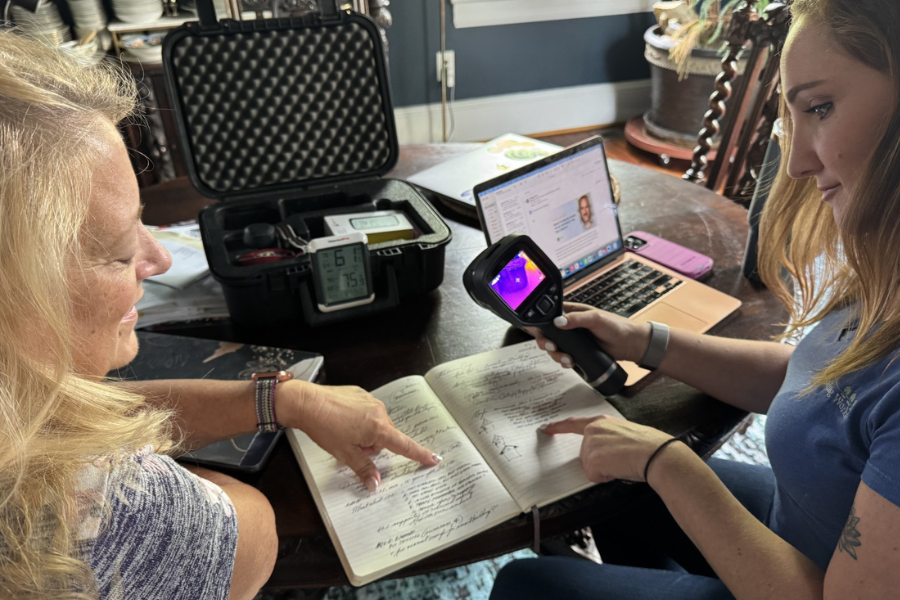
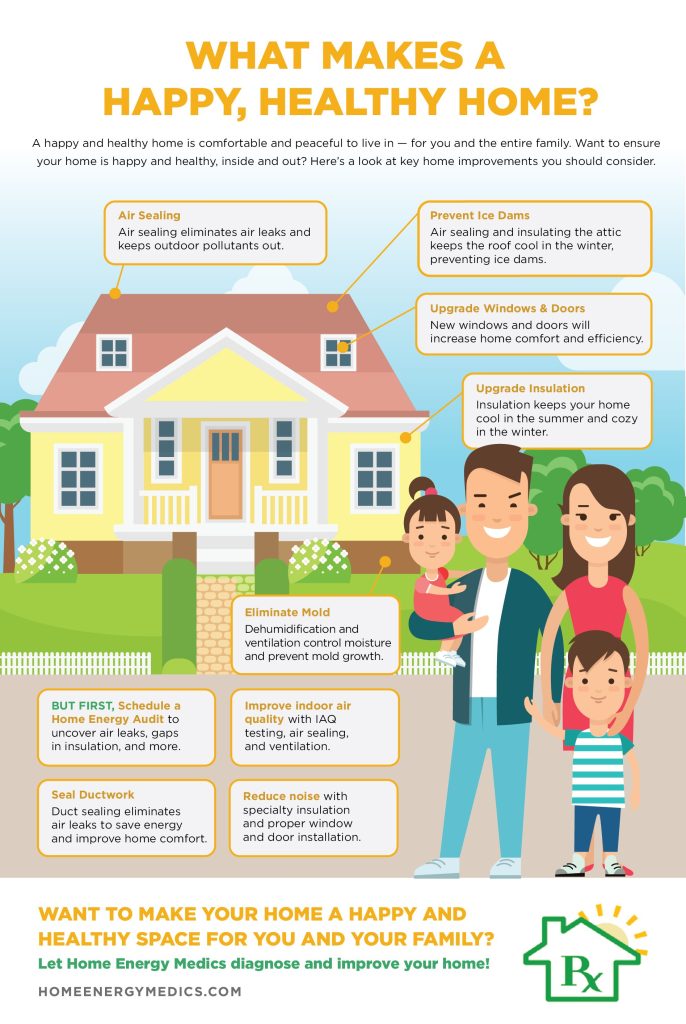
Their systems-based approach empowers homeowners to make informed decisions that improve comfort, reduce energy use/carbon footprint, and enhance indoor air quality. Their approach begins the moment of arrival at a client’s home and involves listening attentively to their clients to address concerns. Home Energy Medics’ approach is honest and informative. It involves offering clear explanations of retrofit options, supported by facts and figures, and never pushes unnecessary products or services. Additionally, they thrive on maintaining open communication to keep clients informed and staff are available every step of the way to answer any questions that may arise. After completion, their process involves following up to confirm satisfaction to ensure that the work meets expectations and includes a test-out process that consists of an abbreviated post work energy audit. Home Energy Medics also provides educational flyers and product sample bags to explain installation processes and has a dedicated website with valuable topics to help clients understand energy efficient products and whole-home approach.
Home Energy Medics is a five-time recipient of the Home Performance with ENERGY STAR® Contractor of the Year Award, recognized nationally for Sustained Excellence by the U.S. Environmental Protection Agency. This prestigious honor, awarded annually since 2019, highlights the company’s leadership in energy efficiency, customer service, and building science expertise. In addition, Home Energy Medics received a Local Business Award from the Faith Alliance for Climate Solutions, further affirming its commitment to climate-conscious practices and collective change.
West Anniston Foundation (WAF)
West Anniston Foundation is a nonprofit organization founded in 2002, deeply embedded in northeastern Alabama in historic West Anniston. With a mission to advance health, education, and local development, WAF envisions becoming a leading force for equity, resilience, and sustainable revitalization in the region. Their work is grounded in grassroots engagement, strategic partnerships, and social empowerment.
At the heart of WAF’s efforts is a commitment to environmental justice and holistic well-being. Its residential improvement program integrates healthy housing, energy efficiency, and neighborhood revitalization. This whole-home approach supports families in creating safer, healthier living environments while reducing energy costs and enhancing quality of life. WAF’s Healthy Home program focuses on elimination risks such as mold, lead, pests, poor ventilation, and unsafe structural conditions. The goal is to ensure that homes are not only energy efficient but also safe, clean, and conducive to good health. This has been accomplished through the integration of improvements such as better insulation, air sealing, and the installation of efficient electric equipment.
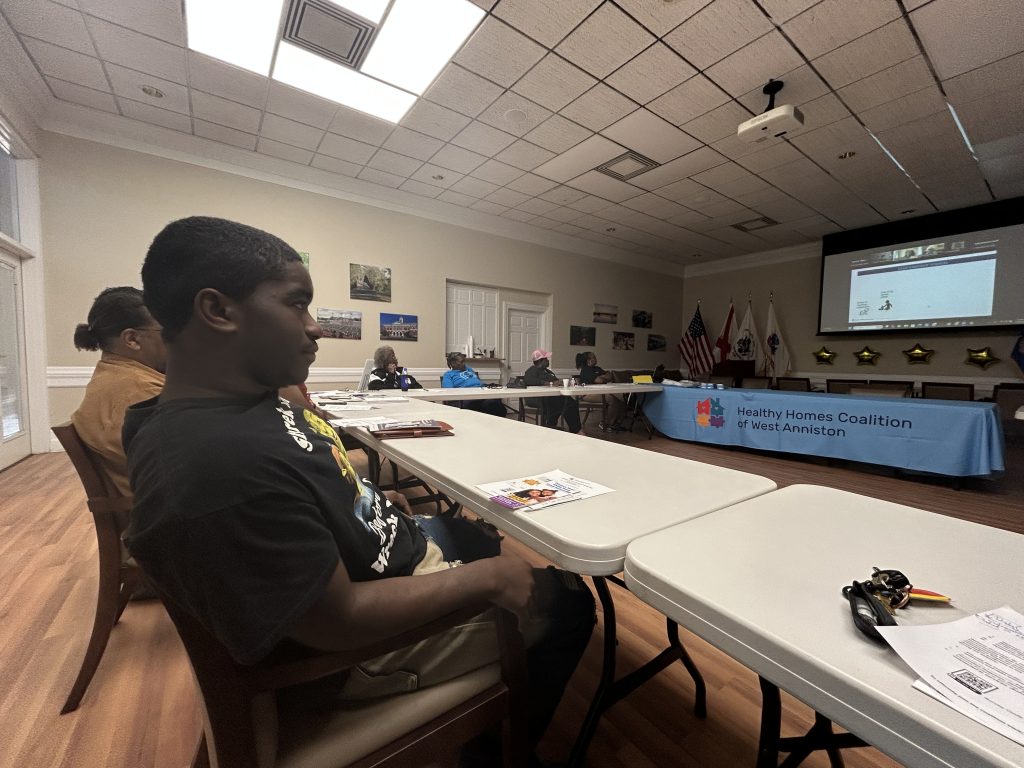
Consumer education and support at WAF are defined as empowering residents with the knowledge, tools, and resources to make informed decisions about their health, homes, and energy use. This commitment extends beyond direct interactions during home installations. WAF engages in civic involvement through a variety of outreach methods, including educational events, public forums such as town halls, workshops, and cohorts. Additionally, WAF distributes printed materials and conducts surveys to gather feedback and assess consumer engagement. These efforts help tailor its educational strategies to meet needs and improve overall awareness around energy efficiency and healthy housing.
WAF’s leadership in this space has earned national recognition: the foundation is a prize recipient of the Buildings Upgrade Prize (Buildings UP), awarded by the U.S. Department of Energy’s Building Technologies Office (BTO). This honor reflects WAF’s innovative approach to combining energy upgrades, healthy housing, and local empowerment. Through this initiative, WAF has gained access to specialized technical assistance, peer learning networks, and data tools that strengthen program design, implementation, and evaluation further positioning the organization as a trusted intermediary bridging health, housing, and environmental justice, with a firm commitment in consumer education and support.
Tools, Materials, & Technology
Home Energy Medics uses a suite of digital tools to enhance client communication and streamline operations:
- CompanyCam: Creates visual photo packets (including infrared images) for clients.
- CRM system: Manages all client communications and documentation electronically.
- Energy Circle: Provides educational blog content and marketing support grounded in building science.
- National and local presentations: Home Energy Medics routinely gives home performance presentations on the local and national stage at conferences, homeowner association events, county government meetings, and local organizations.
- Professional flyers: Printed flyers and business cards that provide educational information and services provided for potential customers.
- Sample bags: Contain physical materials (e.g., insulation, sealants, detectors) to help clients understand installations.
- Aeroseal service: Informational materials on a key service offering that seals HVAC ductwork and building envelopes using aerosol-based technology.
- Pearl Certification: Adds long-term value to homes by verifying the quality and impact of energy upgrades.
West Anniston Foundation envisions a future where technology enhances energy literacy and health awareness:
- Digital home energy and health dashboards: Allow residents to monitor real-time data on energy use, indoor air quality, and temperature.
- Virtual energy coaching: Uses video calls, text check-ins, and virtual walkthroughs to reduce logistical barriers.
- Interactive learning tools and apps: Deliver youth-friendly lessons with quizzes, badges, and micro-credentials.
- AI-powered resource matching: Connects residents to rebates and assistance programs based on home profiles.
- Storytelling platforms: Share success stories and foster peer learning.
- Mobile alerts and surveys: Keep residents informed and engaged while collecting feedback.
- Printed materials and workshops: Emphasize visual learning and accessibility, tailored to local needs.
Staff at both organizations play key roles in consumer education. At Home Energy Medics, this includes the Energy Auditor, Project Manager, and Operations team. At WAF, the Program Manager, Healthy Homes Assessor, and Health Workers lead outreach, education, and navigation. They are often supported by contractors who opt into training and provide feedback on educational needs.
Challenges & Solutions
Home Energy Medics identifies one of its biggest challenges as keeping pace with the evolving landscape of rebates, tax credits, and energy policy. The complexity, not a lack of internal knowledge, makes it difficult to keep clients fully informed. To address this, they concentrate on being a leader in building science and home performance:
- Partner with a certified Building Performance Institute (BPI) educator.
- Owner serves as a BPI test proctor, reinforcing internal expertise.
- Require all auditors to be multi-certified through the Building Performance Institute and the National Comfort Institute, ensuring high-quality service but at a significant training cost.
- To offset this, they hire mission-driven professionals committed to staying with the company for at least three years.
West Anniston Foundation navigates challenges rooted in systemic inequities and resource limitations:
- Funding instability is the greatest obstacle, with short-term cycles limiting outreach, staff capacity, and follow-up services.
- Staffing and workforce capacity are constrained by limited resources for competitive pay and professional development, making recruitment and retention difficult.
- Neighborhood trust is a constant balancing act, shaped by historical environmental injustices and compounded by information overload and competing stressors like housing instability and health concerns.
- Technology access remains uneven, with some households lacking reliable internet or digital literacy, limiting engagement with virtual tools.
- Coordination gaps between housing agencies, public health departments, and energy providers can result in duplicated or confusing messaging.
To mitigate these barriers, WAF employs a multi-pronged strategy:
- Cross-sector partnerships with HUD’s Healthy Homes Production program, the Building Upgrades Prize, and the Solar Energy and Loan Fund (SELF) expand technical capacity and financing options.
- Local workforce development includes the National Center for Construction Education and Research training and subsidized BPI credentials.
- Trusted peer educators ensure messaging remains consistent, culturally relevant, and locally driven.
- Nonprofit intermediary role allows WAF to strengthen investment in consumer education across programs and businesses in their service area.
Outcomes & Impacts
Home Energy Medics does not formally track long-term energy savings, but they observe clear indicators of success:
- Increased project throughput and sales
- High client satisfaction and referral rates
- Clients who become advocates, recommending the company to others
- Annual investment in refining educational materials and outreach strategies
While long-term energy savings aren’t formally tracked, the company sees education as a cornerstone of its strategy. Their systems-based approach builds lasting trust and differentiates them in a competitive market. Clients gain a deeper understanding of how their homes function, leading to more informed decisions and sustained engagement.
West Anniston Foundation measures success through grassroots results:
- Improved health and safety in homes
- Reduced energy burdens for low-income families
- Strengthened resilience and empowerment
- Increased awareness of environmental justice and sustainable living
Even when tracking is constrained by funding or staffing, WAF collects clear, measurable impacts on resident understanding and engagement. These insights inform program refinement and ensure continuous improvement. Their efforts have led to documented health improvements and return on investment, though more attention is needed to cover the costs of health-related upgrades that often precede energy efficiency work. WAF actively collaborates with other non-government-based organizations, local contractors, neighborhood stakeholders and the state public health agency through an established coalition (Healthy Homes Coalition of West Anniston) to analyze outcomes and refine future healthy-home interventions.
Lessons Learned & Advice
Home Energy Medics emphasizes:
- Transparency over sales: Educating clients should always take precedence over closing a deal.
- Thorough testing and evaluation: Cutting corners leads to costly rework and erodes trust.
- Continuous improvement: Weekly team meetings foster a culture of reflection and adaptation.
- Foundational focus: If redesigning consumer education from scratch, they’d prioritize HVAC systems, energy audits, and managing expectations.
- HEMS potential: Home Energy Management Systems offer real-time data that can deepen consumer understanding and drive behavior change.
Their advice to other contractors: invest in education, hire for mission alignment, and build systems that evolve with the energy landscape.
West Anniston Foundation offers a complementary and equally powerful set of insights:
- Start with trust: Relationships are the foundation of effective education and support.
- Integrate health and energy: Residents care about comfort, safety, and well-being—not just kilowatt hours.
- Tailor the message: Use language, visuals, and delivery methods that resonate with local neighborhoods.
- Leverage partnerships: No single organization can do it all – collaboration is key.
- Center justice: Energy efficiency must be part of a broader vision for equity and resilience.
Their advice: meet people where they are, honor lived experiences and build programs that reflect the values and needs of the communities they serve. If consumer education were redesigned from the ground up, WAF would prioritize:
- Holistic, whole-home learning experiences integrating energy, health, and safety.
- Personalized, data-driven guidance using AI dashboards and tailored recommendations.
- Socially embedded, culturally responsive delivery led by peer educators and grounded in local values.
Finally, WAF encourages contractors to partner with intermediary nonprofits to deliver consumer education. This approach reduces overhead, enhances cultural relevance, and strengthens overall impact – ultimately improving adoption of energy efficiency and healthy home practices.
Key Takeaways and Recommendations
Center Education as a Core Strategy, not a Side Service
Both models treat consumer education as foundational, not optional. Prioritizing education over sales builds trust, empowers decision-making, and drives long-term engagement. Whether through detailed audits or hands-on workshops, education must be embedded throughout the client or resident journey.
Deliver Whole-Home, Systems-Based Learning That Integrates Health, Housing, and Energy
Home Energy Medics uses building science to explain how systems interact, while WAF connects energy efficiency to indoor air quality, safety, and environmental justice. A holistic approach helps consumers understand their homes as interconnected ecosystems.
Build Trust Through Transparency, Cultural Relevance, and Local Relationships
Home Energy Medics fosters trust through clear communication and consistent follow-up. WAF builds trust through peer educators, local advisory boards, and culturally responsive outreach. Education is most effective when it reflects lived experiences and social values of neighborhoods.
Invest in Local Workforce Development and Mission-Driven Teams
WAF trains local members as educators and navigators, while Home Energy Medics hires professionals committed to long-term service and multi-certification. Both models show that investing in people strengthens program continuity and credibility.
Leverage Technology to Enhance Engagement and Personalize Guidance
From infrared imaging and CRM systems to AI dashboards and virtual coaching, both organizations use tech to make energy literacy more accessible. Personalized, data-driven tools deepen understanding and support behavior change.
Track Outcomes and Refine Continuously Using Feedback and Measurable Impact
WAF monitors behavioral shifts, health improvements, and resident confidence through surveys and follow-ups. Home Energy Medics uses weekly team reflection and client feedback and testimonies to adapt strategies. Tracking both quantitative and qualitative outcomes ensures education remains responsive and effective.
Partner Strategically to Expand Reach and Bridge Gaps in Capacity
Both models rely on partnerships to scale impact. WAF collaborates with the United States Department of Housing and Urban Development (HUD), Solar and Energy Loan Fund (SELF) to access funding and technical support. Home Energy Medics works with Energy Circle to enhance outreach. Both have participated in free training and exams from the Building Performance Association and this project. Contractors are encouraged to partner with nonprofits to deliver education when internal resources are limited.
Conclusion
Both models demonstrate that consumer education and support in energy efficiency must be a core strategy deeply aligned with the mission of the business or organization. A commitment to whole-home, systems-based education not only enhances consumer understanding but also builds and sustains trust over time.
This case study underscores that impactful consumer education and support require intentional investment in public engagement, strategic use of technology, trained and skilled staff, outcome tracking, and continuous feedback. When paired with strong partnerships, these efforts equip consumers with the knowledge and confidence to make informed energy choices – choices that lead to healthier homes, lower costs, and lasting change.
This is the fourth and final case study in this series on best practices for residential energy efficiency businesses. Read the first one here: Case Study: Best Practices for Residential Energy Efficiency Businesses in Project Identification. Read the second one here: Case Study: Best Onboarding Practices for Residential Energy Efficiency Businesses. Read the third one here: Case Study: Best Practices in On-the-Job Training Processes for Energy Efficiency Businesses.