
Mar 23, 2026
From the Battlefield to Building Better Homes: Why Contractors’ Voices Matter in Energy Policy
Contractors aren’t just implementing programs, they are shaping them.
By: Shane Bulick
Energy efficiency programs aren’t just abstract statistics. They are real-world solutions that help families save money, improve comfort, and make communities stronger. For contractors working in weatherization and building performance, this reality is something you see every day. Yet too often, the policies that fund and shape these programs are made far away from the homes we serve.
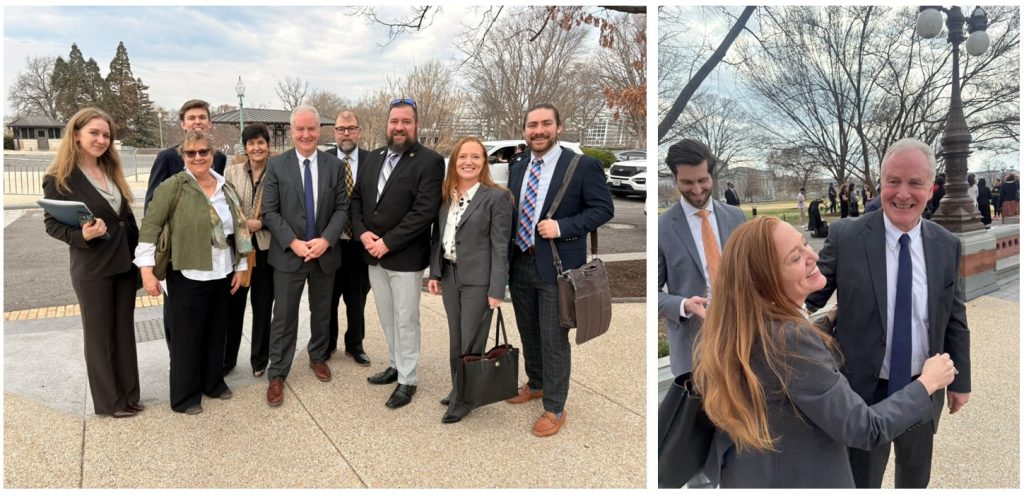
That’s why engaging directly in policy advocacy is so important. Last week, during Building Performance Association’s Pennsylvania Keystone Lobby Day, the impact of contractors’ voices became crystal clear. Advocates from across the state traveled to Washington, D.C., to meet with six Congressional offices, including a member-level meeting with Senator McCormick. Across all meetings, 12 member-specific constituent sign-on letters were submitted, promoting rebate programs, FY27 home efficiency appropriations, and the reauthorization of the Weatherization Assistance Program (WAP).
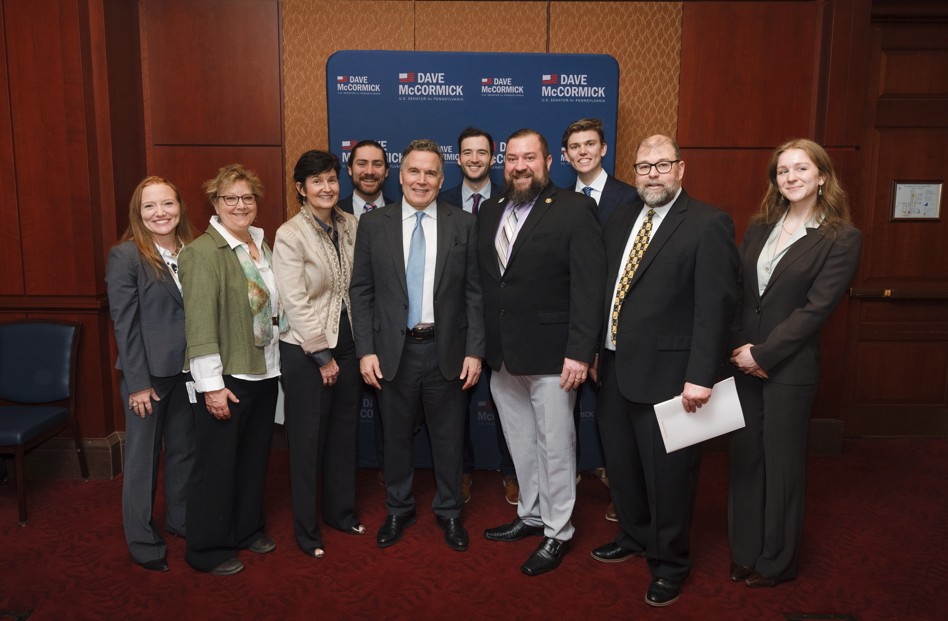
The response from Congressional staff was overwhelmingly positive. They consistently emphasized that hearing directly from practitioners is invaluable. The stories contractors shared about their on-the-ground experiences in Pennsylvania gave life to the statistics, illustrating how energy efficiency programs tangibly benefit real households. It was a reminder that policy decisions don’t just happen in a vacuum. They affect real families in real homes.
Having the opportunity to participate in these conversations was not just rewarding, it was empowering. Each advocate’s presence made a difference, and the follow-up work by the AnnDyl Policy Group, on behalf of BPA, ensured that every ask and recommendation was reinforced. Photos from the event, including meetings with Senators McCormick and Van Hollen, captured the energy and commitment of everyone involved.
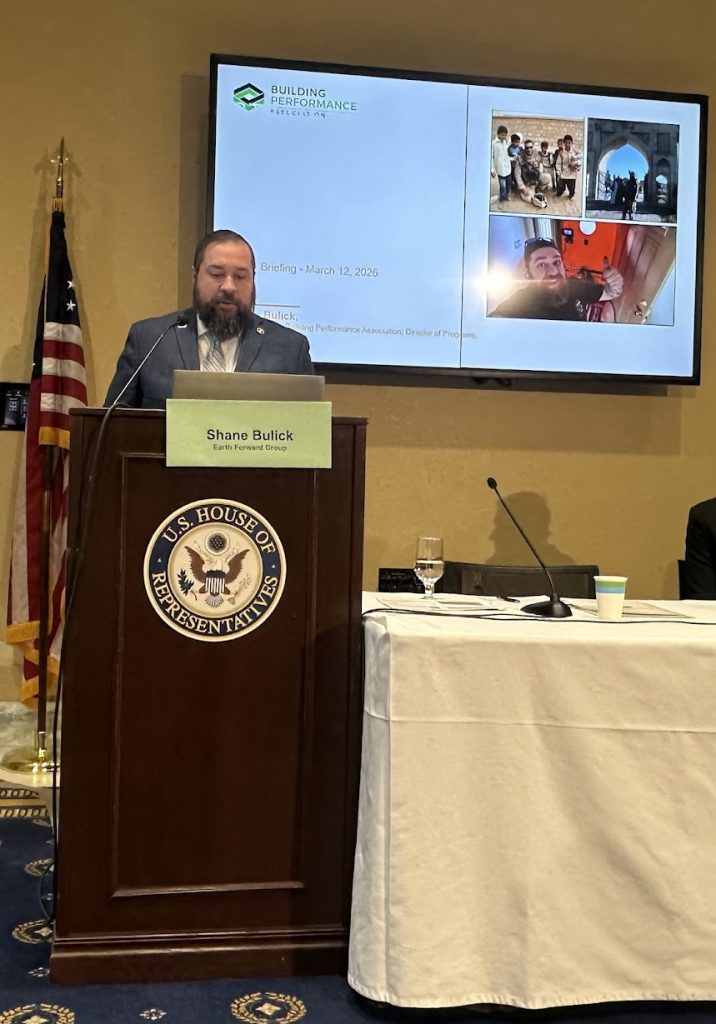
This same principle was reinforced during the recent briefing hosted by the Environmental and Energy Study Institute (EESI), Strategies to Lower Utility Bills Now for Households and Small Businesses. I myself joined the conversation to share the contractor perspective, highlighting how upgrades like insulation, high-efficiency HVAC systems, and energy-efficient appliances directly lower bills while improving comfort and resilience. These firsthand accounts bridge the gap between policy discussions and implementation, helping policymakers understand the real-world impact of their decisions. You can view a recording of the briefing here.
It’s clear that contractors aren’t just implementing programs, they are shaping them. And there’s never been a more urgent time to make your voice heard. Rising energy demand, grid strain, and increasing utility costs are putting households across the country on edge. Everyone is thinking about how much energy they use. And that’s where contractors can step in, not only to deliver solutions but to advocate for programs that make energy efficiency accessible and attainable.
Engaging in advocacy doesn’t require relocating to Washington, D.C. It can start locally, joining advocacy days, submitting constituent letters, or participating in policy briefings. Each interaction strengthens the collective voice of the industry, demonstrates the value of field experience, and ensures that funding and programs remain aligned with the needs of the communities we serve.
On a personal level, this work resonates deeply. My experience serving in the United States Marine Corps during Operation Iraqi Freedom instilled values of discipline, leadership, and teamwork. These principles continue to guide my work in energy efficiency. While the context has shifted from overseas operations to serving communities at home, the mission remains the same: Protecting and empowering others. Now, instead of defending communities abroad, I work to help families save money, improve home health and comfort, and strengthen resilience through energy efficiency. Advocacy is simply an extension of that service, allowing contractors and practitioners to influence policies that directly impact the work we do and the lives of the people we serve.
Of course, none of this work happens alone. Kara Saul-Rinaldi serves as Chief Policy Officer for BPA and is the President and CEO of AnnDyl Policy Group. She brings decades of experience in advocacy, lobbying, and federal energy policy engagement. Also aiding this work on the AnnDyl team are Skip Wiltshire-Gordon, Director of Government Affairs, and Kate Moore, Policy Associate. Kara, Skip, and Kate have been tireless in coordinating contractor engagement, securing program funding, and representing the energy efficiency industry on Capitol Hill. Their leadership ensures that our voices are amplified and that policymakers understand the practical realities of delivering energy efficiency in the field.
The lesson is clear. When contractors step up, the industry and the communities it serves benefit. Participation in advocacy strengthens programs, protects funding, and ensures that energy efficiency continues to grow in a world where rising energy costs and grid strain make these services more critical than ever.
For contractors, this is an invitation. Your stories, your expertise, and your experience in the field matter. By stepping into policy discussions, you help shape the future of energy efficiency, ensuring that the work happening in homes and businesses across the country remains visible, valued, and supported. Service may look different now than it did in the military, but the principles remain the same. Commitment, leadership, and dedication to something greater than oneself. And in this space, that mission is clear: Building better homes, stronger communities, and a more energy-resilient future.

For those looking to get more involved and help strengthen the voice of our industry, one of the most impactful steps is to connect directly with leaders who are actively shaping policy.
I recommend reaching out to Kara Saul-Rinaldi, staying engaged in BPA’s advocacy efforts, and/or becoming an BPA member.
Membership directly supports the kind of policy advocacy that ensures our industry is represented in critical conversations happening at the federal and state levels. It helps fund the work being done on Capitol Hill, amplifies contractor voices, and strengthens our collective ability to influence decisions tied to energy demand, grid strain, and rising utility burdens.
Getting connected to leaders like Saul-Rinaldi, engaging with advocacy resources, and supporting organizations like BPA are meaningful ways to stay informed, plug into advocacy efforts, and help ensure contractors continue to have a strong, unified voice in shaping the future of our industry.

Director of Programs, Earth Forward Group
Shane Bulick is the Director of Programs for the Earth Forward Group. Established in New Haven, Connecticut in 2015, Earth Forward Group, LLC is a woman-owned small business that provides workforce development training, sustainability consulting, program design and management, business development, and marketing and outreach services. Shane holds a Bachelor’s degree in Physical and Environmental Geography from The Pennsylvania State University where he served in numerous ecology research projects in South Africa and San Salvador supported by the National Oceanic and Atmospheric Administration (NOAA) and the National Science Foundation (NSF). Shane is an active certified BPI HEP Energy Auditor and Quality Control Inspector with nearly two decades of experience in energy auditing, field staff supervision, building science training, and policy development for residential and commercial energy efficiency projects. Shane’s true passion is advocating for underserved communities within energy efficiency and weatherization communities.