
Jun 16, 2026
What the Cooling-Dominated Climate Teaches Us About Heat Pump Retrofits
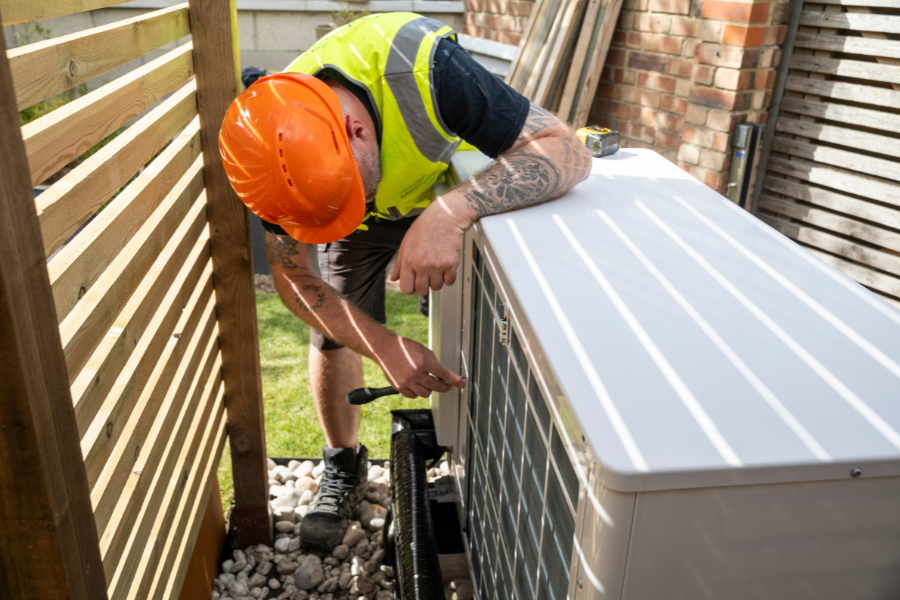
Here are the realities of heat pump retrofits in a cooling-dominated climate—and they're going to be become a lot more common.
By: Russ Teaca
Most of the heat pump retrofit guidance circulating right now is written for cold climates. It assumes the design challenge is keeping a home warm at 5°F, that the homeowner is replacing heating oil or propane, and that the payback story is a heating-season story. In Southern California, almost none of that holds. The homes we retrofit are cooling-dominated, the incumbent system is usually a gas furnace paired with an aging straight-cool air conditioner, and the load that actually sizes the equipment shows up in August, not January.
That difference changes how a retrofit should be scoped, sized, and sold. After a few years of doing these changeouts across the San Fernando Valley and Ventura County, the same handful of field realities come up again and again. They are worth sharing with the broader home performance community, because the cooling-dominated retrofit is going to become a lot more common as gas-furnace phase-outs move forward in more jurisdictions.
The Cooling Load Sizes the System
In a heating-dominated climate, you size to the design heating load and accept whatever cooling capacity comes along with it. In our market, it is the reverse. A 1,700-square-foot single-story home built in the 1960s with original single-pane aluminum windows and minimal attic insulation can carry a summer cooling load that dwarfs its winter heating load. The valleys regularly run triple-digit afternoons, while winter nights rarely drop below the low 40s.
The practical consequence is that we run a Manual J (the ACCA residential load calculation standard) and let the cooling load drive equipment selection, then confirm the heating side is comfortably covered, which it almost always is. The failure mode we see from other installers is sizing off a rule-of-thumb tonnage carried over from the old air conditioner. That old unit was very likely oversized to begin with, so the rule of thumb compounds an existing error. An oversized heat pump in this climate short-cycles, never runs long enough to dehumidify on the handful of humid days we get, and gives up the part-load efficiency that variable-speed equipment is supposed to deliver.
The Envelope Work is Missing
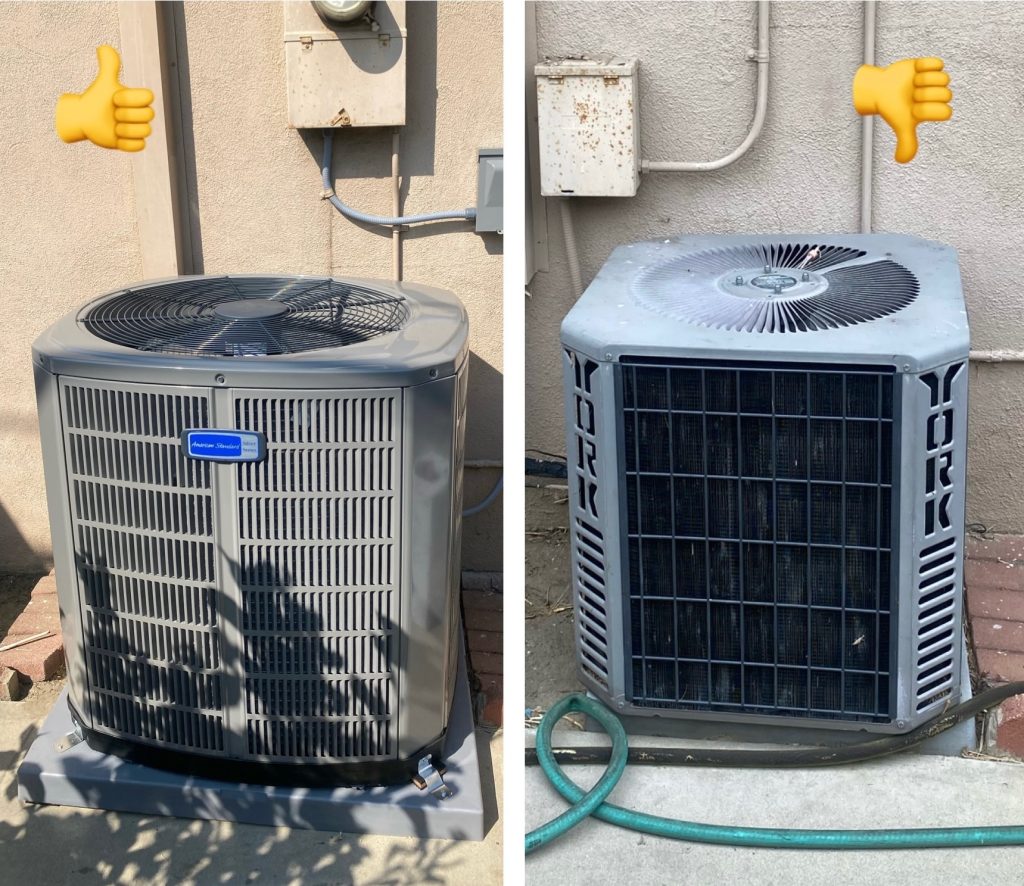
Because these homes were built for cheap gas heat and brute-force cooling, the envelope is often the weakest link in the retrofit. Duct systems in 1960s and 1970s valley homes are frequently undersized for the airflow a modern variable-speed system wants, leaky at every connection, and run through unconditioned attics that hit 130°F or more in summer. Dropping an efficient heat pump onto that duct system and calling it done leaves a large fraction of the rated performance on the table.
We have learned to assess the duct system and the attic before quoting the equipment, not after. Static pressure readings at the air handler tell us quickly whether the existing ductwork can carry the design airflow. When it cannot, the honest conversation with the homeowner is that the duct sealing and the return-air correction matter as much as the box outside. This is familiar territory for anyone in home performance, but it is still the single most skipped step we see from price-driven competitors.
The Electrical Panel is the Hidden Gatekeeper
A large share of the older housing stock here still runs on 100-amp electrical service. Add a modern variable-speed heat pump to a panel that is already carrying an electric range, a future EV charger, and whatever else the homeowner has planned, and the service capacity becomes the real constraint on the project. Panel and service upgrades in our area, coordinated with the utility and pulled through permitting, are a meaningful line item, and they are work that falls outside an HVAC license, so a licensed electrician has to carry that scope.
The reason this matters for the home performance community is sequencing. When the panel assessment happens during the initial walkthrough, the homeowner gets one honest number up front. When it gets discovered on install day, the project stalls, trust erodes, and the industry as a whole takes the reputational hit. Catching the electrical constraint early is not glamorous, but it is the difference between a clean retrofit and a stalled one.
The Energy Story is Real, Even Where the Bill Story is Complicated
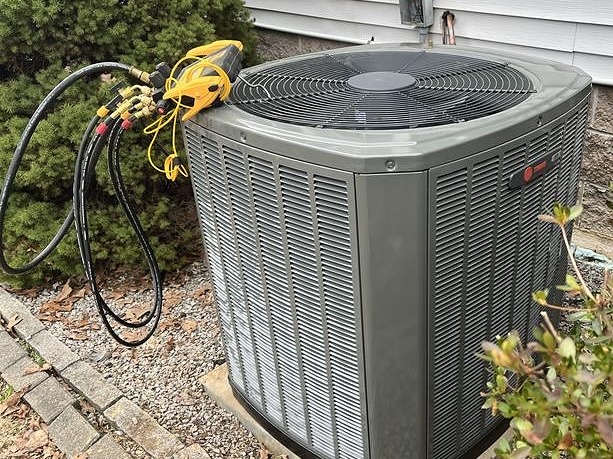
The energy-use case for these retrofits is strong, and it is worth separating from the bill-savings case, because they are not the same thing in our climate. On the cooling side, replacing a 15- or 20-year-old straight-cool air conditioner running at SEER 10 or below with a modern variable-speed heat pump cuts cooling-season electricity consumption substantially. That is real site-energy reduction during the exact months our grid is most stressed. On the heating side, moving the load off gas and onto an electric heat pump with a seasonal coefficient of performance well above 1 reduces source energy compared with on-site combustion, and it takes a combustion appliance out of the home entirely.
The place we counsel other contractors to be careful is the homeowner’s bill. In much of the country the heat pump pitch is built on lower operating costs from day one. In our service territory, residential electricity rates are high enough that the heating-side bill is roughly cost-neutral against gas at current rates, even as the energy use itself drops. Conflating energy reduction with bill reduction is how an installer ends up with an angry customer. We have learned to make the energy and emissions case plainly, then be honest that the monthly-bill case depends on the rate plan and on whether the home pairs the system with solar. Homeowners researching heat pump installation in Southern California increasingly arrive already aware that the savings math is regional, and they respond well to a contractor who draws the distinction clearly rather than overpromising.
What This Means for the Broader Retrofit Conversation
As more jurisdictions move toward gas-appliance phase-outs, a growing share of heat pump retrofits nationally are going to be cooling-dominated changeouts in older, leaky housing stock rather than the cold-climate fuel-switching projects that dominate the current literature. The lessons are not exotic. Size to the real load, fix the envelope and the ducts before crediting the equipment, catch the electrical constraint at the walkthrough, and separate the energy-reduction story from the monthly-bill story when you talk to the homeowner. None of it is new to the home performance world. It just gets applied differently when the design day is a 105°F afternoon instead of a frozen morning, and when the biggest energy-reduction win is on the cooling side rather than the heating side.